It seems like the best option to keep your elderly loved one healthy at home; until you’re in the trenches, most families think it only means providing meals and medication. However, there’s a convoluted concept to wellness at home, and the distinction between being halfway there or completely there is literally the difference between maintaining independence or going to the hospital.
It’s not one thing. It’s a million little things that need to consistently come together. Yet many people don’t realize how much of it there is until they’re already knee-deep managing it all.
Medication Mayhem
It seems simple enough—pills. Until you’re tasked with eight of them, with various caveats to food and no food. This one needs food. This one needs no food. These two can’t be taken together. And this is where it gets tricky—forget one blood pressure pill, and you’ve caused a major issue. Take an extra because you forgot you took it this morning; now you have a larger issue on your hands.
But it gets even trickier with the moving goalposts. Doctors routinely change dosages, add new things and stop older things. Your parent might have three different doctors who are not necessarily communicating with each other. Keeping track of what’s a go, what’s a no-go and what can’t be mixed becomes a continuing endeavor no one prepares you to handle.
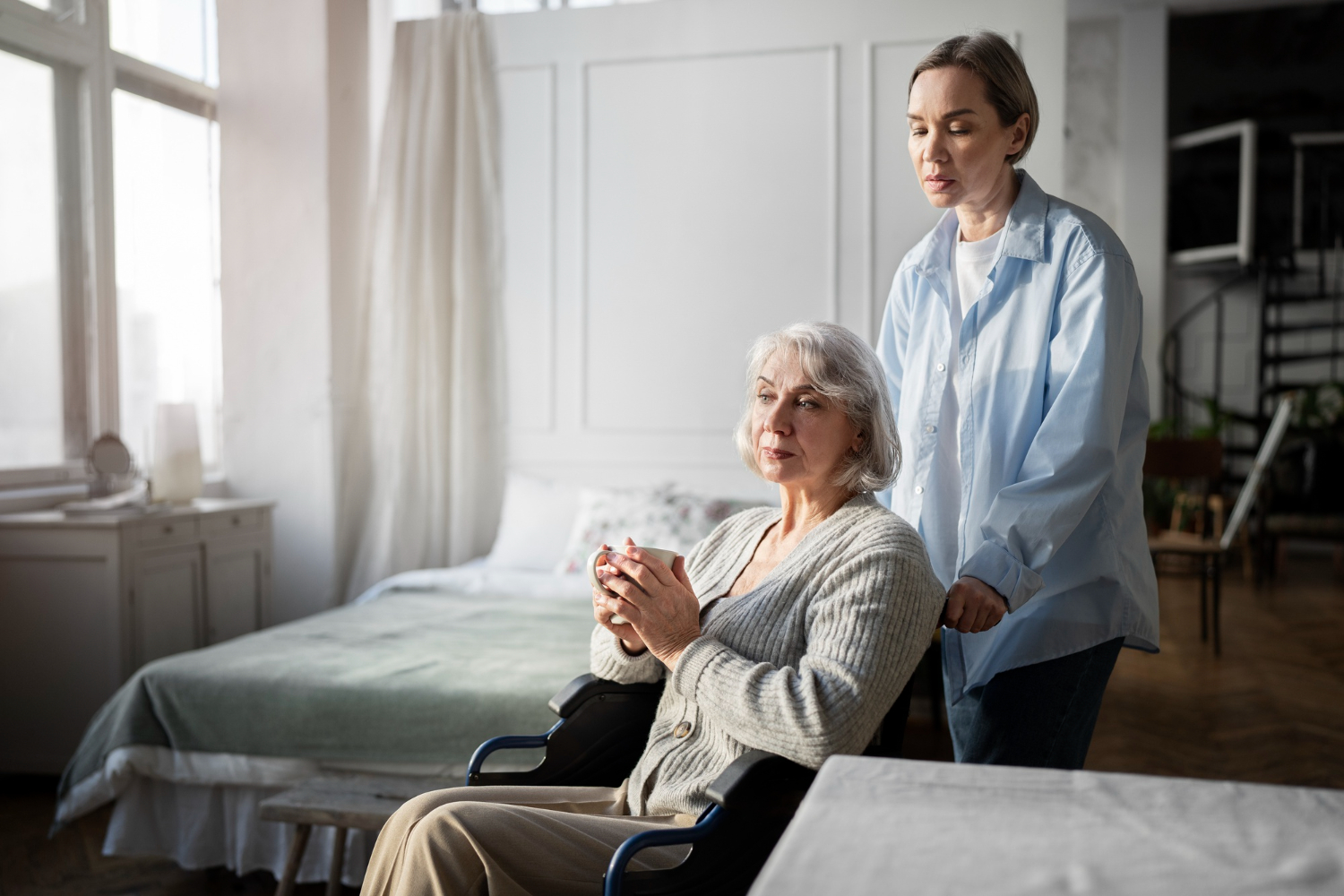
This is honestly where consistently having help changes everything. Whether it’s a family member available every single day or hiring caregivers in Philly, someone managing this day in and day out makes the difference in avoiding medication mishaps that send people to the ER.
The Food Situation Goes South Rapidly
Here’s what really happens when someone is alone: they stop preparing real meals. It’s not worth cooking for one person. They can’t get to the grocery store because it’s too far. They can’t stand on their feet long enough at the stove. So they have cereal for dinner or skip it altogether, or they have whatever requires minimal effort in the house that’s been long forgotten.
Now factor in all of the dietary restrictions that come from age—diabetes means carb watching; heart issues mean everything is too high in sodium; kidney issues mean certain proteins and potassium needs to be monitored. This can’t be maintained without someone overseeing. When diet goes south, everything goes south—how quickly people heal, energy levels, illness fight.
Movement is What Decreases Rapidly
Your body needs to move; otherwise it falls apart, but the elderly need someone there to encourage them along their path. Left to their own devices, they’d sit all day with minimal movement and way less than required.
It’s scary how quickly someone declines when isolated from social engagement, and no one suggests going for a walk—and suddenly someone who was getting around just fine six months ago now needs a walker. Muscles deteriorate faster than anyone anticipates, and it’s ten times harder to regain that strength than maintain it in the first place.
But where everything goes wrong is when someone falls. When balance decreases and legs weaken, one fall triggers a downward spiral—hospitalization, fear of moving, accelerated decline. The goal is to avoid falling in the first place, with active aging.
Personal Care Problems Not Discussed
Getting clean becomes really complicated as people age and no one reports back should there be an issue. Showers are scary (falling). Getting dressed is difficult (can’t reach feet), or fingers aren’t dexterous enough to button things up. All the little things that used to be second nature require effort and planning now.
If someone walks around for days without pants or makes the attempt at a shower but shirks it more often than not, it’s not laziness—it’s complicated or disconcerting, or plain exhausting. Skin infections occur from non-bathing. Infections settle in. Depression sets in when someone can’t even rely upon themselves for basic hygiene anymore.
Your Brain Needs to Exercise Too
The brain doesn’t just stay functioning on its own. It needs regular use. Isolated elderly people exponentially increase cognitive decline because stimulation does not happen—through conversation or through problem-solving, memory enhancement—which all require consistent exertion or else brain capacity decreases.
Mental health has physical ramifications as much as the reverse. Isolated seniors forget medication. They forget what’s needed. They ignore symptoms that require medical attention. It matters as much as visible physical ailments that receive more attention because we don’t see these things as easily as we smell something that smells bad.
Catching Issues Before They Explode
Little problems often present themselves as larger problems below the surface—a little more confusion than normal could be a urinary tract infection; little lack of appetite could be depression or side effects from medication; new balance issues are ear infections from drug interactions.
When you see someone every day there’s a better chance of noting nuance than bigger issues—the family member who comes once a week is less reliable because they miss more gradual declines instead of marking transition periods. By the time something’s obvious enough during an appointment for a weekly family visit, it’s escalated to an already critical point needing acute care.
What Support That Works Actually Looks Like
True maintenance of health occurs when all of these little things happen reliably every day—pills are taken properly; decent meals are eaten; movement occurs; personal care is respected; and someone pays enough attention to know when something’s not quite right.
It’s not infantilizing someone’s life away; it’s providing practical support that handles all the challenging aspects while allowing continued autonomy over their life should independence still be of utmost priority without needing institutionalized care.
Thus, families try to piece this together by scheduling various relatives on various days or friends who pop by as they can. It works for a time, but long-term consistency is more crucial than anyone realizes. Health-related concerns require daily attention—not just when someone remembers or it’s convenient enough for them to check-in.
Families who set this up sooner—whether through arranging serious familial coverage or hiring outside help—find their loved ones remain healthier and more independent for far longer than those who wait until something declines and needs addressing anyway.