Car accidents are an unfortunate reality in Las Vegas, with the city’s busy streets and highways frequently becoming the scene of collisions. When multiple parties contribute to an accident, the question of partial fault becomes critical. In Nevada, the way partial fault is addressed can significantly affect the outcome of your claim. For individuals seeking to protect their rights and understand their legal options after a car accident, consulting with a knowledgeable local firm, such as BlakeFriedmanLaw is often invaluable.
Whether you are partially at fault or the other party shares responsibility, being familiar with Nevada’s laws and the steps to take after an accident will be essential. This article demystifies how modified comparative negligence works, what to expect when fault is divided, and what you should do to ensure you receive fair treatment after a crash.
Table of Contents
Nevada’s Modified Comparative Negligence Rule
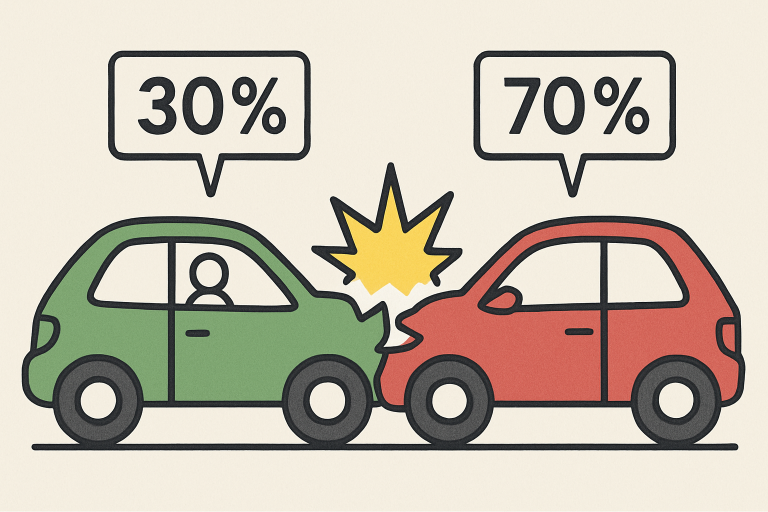
Nevada adheres to a “modified comparative negligence” rule, which impacts compensation in car accident cases. Under this rule, a person who is less than 51% at fault in an accident may still recover damages. However, your compensation is reduced by your degree of fault. For example, if you are found to be 20% responsible in a case valued at $100,000, your maximum recovery will be $80,000. If your responsibility is found to be 51% or greater, you forfeit the ability to recover any damages. This ensures that liability—and financial responsibility—is fairly distributed among all involved parties, based on their actual contribution to the accident.
This legal framework promotes fair settlements and provides accident victims with an opportunity to recover losses, even when their own actions contributed to the collision.
Determining Fault in Las Vegas Accidents
Determining each driver’s share of fault is not always straightforward. Insurance adjusters and courts examine police reports, statements from drivers and eyewitnesses, relevant traffic laws, and physical evidence, such as skid marks or vehicle damage, to assign percentages of fault. In some cases, experts may reconstruct the accident to support or dispute claims regarding the allocation of responsibility. Careful evidence gathering and a clear record of the incident are crucial for protecting your interests, which is another reason legal guidance can be beneficial if fault is in dispute.
Impact on Compensation
The amount you ultimately receive in compensation for a Las Vegas car accident claim depends on your degree of fault. Suppose you are 30% at fault in an accident that results in $50,000 in losses—your recovery will be limited to $35,000. Percentages are determined based on the totality of evidence. Understanding this reduction highlights the importance of advocating for an accurate allocation of fault. Even a slight adjustment in your favor can have a substantial effect on a large claim.
Steps to Take After an Accident
- Document the Scene: Capture clear photographs of all vehicles, the surrounding road conditions, weather, and any skid marks or road signs that may be relevant.
- Gather Witness Information: Collect the names and contact details of potential witnesses, as neutral third parties can offer essential perspectives during claims or litigation.
- Seek Medical Attention: Address any injuries promptly. Even if symptoms seem minor, underlying issues can surface later, and detailed medical records strengthen your claim.
- Report the Accident: File an accident report with the local police, as this creates an official account of what happened and may become crucial evidence.
- Consult an Attorney: Experienced legal counsel can help collect additional evidence and ensure your rights are protected, maximizing your likelihood of a fair settlement or verdict.
Common Misconceptions About Partial Fault
There’s a common misconception that drivers who are partly at fault for an accident cannot recover any compensation. Nevada law, however, is clear: as long as your portion of responsibility is 50% or below, you are entitled to seek damages. This knowledge is essential after adrenaline-fueled incidents, where individuals may admit fault prematurely, which can impact the outcome of their case. Always avoid making unnecessary statements or written admissions of fault at the scene, and wait until all evidence has been thoroughly reviewed.
Legal Assistance and Resources
Working with a skilled attorney is often the best way to ensure your rights are protected after an accident involving disputed or partial fault. Lawyers can gather essential documentation, guide you through the insurance process, challenge inaccurate determinations of fault, and represent you in negotiations or court proceedings to ensure a fair outcome.
Conclusion
Understanding how partial fault operates in Las Vegas car accident cases is key to securing fair compensation. With the correct information, timely action, and appropriate professional support, you can effectively manage the aftermath of a collision and safeguard your financial recovery. Stay proactive: document everything, avoid premature admissions, and consult trusted experts to optimize your claim’s outcome.