A collision on Route 35, Broad Street, Newman Springs Road, or a neighborhood road near the Navesink River can turn an ordinary day in Red Bank into a confusing medical and financial problem. The steps taken after the crash can protect your health while preserving information that may matter to an insurance claim.
When injuries are serious, disputed, or still developing, speaking with a Red Bank personal injury lawyer may help an injured person understand the records, insurance issues, and time-sensitive decisions involved. This guide focuses on practical steps that can make the process more organized.
Table of Contents
- 1 The First Hours After a Crash
- 2 Put Medical Care First
- 3 Report the Accident
- 4 Preserve Evidence Before It Disappears
- 5 Keep Medical and Financial Records
- 6 Handle Insurance Communications Carefully
- 7 Consider Issues Unique to Your Crash
- 8 Watch Deadlines and Special Rules
- 9 Review Any Settlement Offer Fully
- 10 Know When to Seek Legal Guidance
- 11 Final Checklist
The First Hours After a Crash
Start with immediate safety. Move out of traffic if it is safe to do so, turn on the hazard lights, and call 911 if anyone appears to be hurt or if there is a dangerous roadway condition. Do not argue about fault at the scene. A person may be shaken, in pain, or unaware of all the facts.
Exchange identifying and insurance information with the other driver when possible. If you cannot safely collect the details, ask a passenger, a family member, or a responding officer for help later. Avoid posting opinions about who caused the crash before the facts are clear.
Put Medical Care First
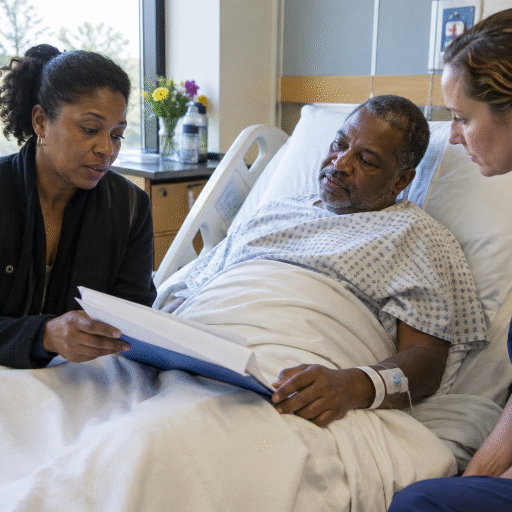
Seek emergency care, urgent care, or a medical evaluation that fits your symptoms. Tell the provider about every symptom, including neck pain, back pain, dizziness, numbness, headaches, anxiety, or trouble sleeping. Accurate reporting helps medical providers evaluate you and creates a clearer account of your condition.
Some symptoms can change after a collision. The symptoms of mild TBI and concussion may appear immediately or hours or days later, and certain warning signs require emergency attention. Follow discharge instructions, attend follow-up appointments, and do not stop treatment simply because an insurer contacts you.
Report the Accident
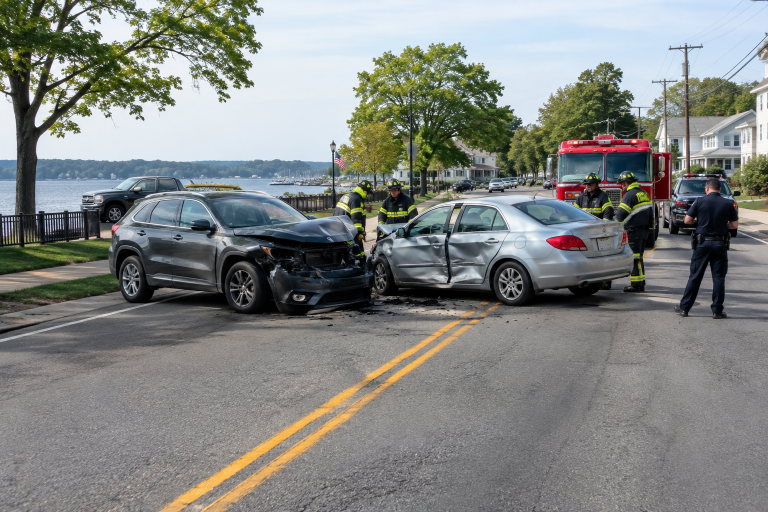
Ask the responding officer for the report number and agency name. If law enforcement does not respond, document the crash carefully and determine whether a report is required. Prompt reporting can help establish the time, location, involved vehicles, and initial accounts of what occurred.
If the crash involved a commercial vehicle, rideshare driver, unsafe road condition, or government-owned vehicle, identify the company or agency connected to it. These cases may involve records or procedures beyond a typical two-car collision.
Preserve Evidence Before It Disappears
Photos and notes often become more useful with time. If you can do so safely, photograph vehicle positions, damage, skid marks, traffic signals, debris, weather, road conditions, and visible injuries. Include wide shots that show the intersection or roadway, followed by close-up images.
Write a brief account while the details are fresh. Note the date, time, exact location, direction of travel, weather, conversations, and names of witnesses. Save witness contact information, relevant texts, dash-camera footage, repair estimates, and towing receipts. Do not alter, repair, discard, or sell damaged property until you understand whether it may be needed.
Keep Medical and Financial Records
Create a single physical folder or a secure digital file for crash-related documents. Keep copies of:
- Medical bills, visit summaries, prescriptions, and insurance explanations of benefits.
- Receipts for medication, braces, transportation, and medical equipment.
- Pay stubs, employer communications, and records of missed work.
- Vehicle repair estimates, rental costs, towing bills, and photographs.
- A daily log describing symptoms and practical limitations.
A recovery log should be honest and specific. Instead of writing “felt terrible,” record that the shoulder pain made driving, lifting groceries, sleeping, or completing a work task difficult. Do not exaggerate symptoms, but do not minimize meaningful limitations either.
Handle Insurance Communications Carefully
Notify the appropriate insurer and keep the claim number, adjuster name, and copies of written communications. Provide truthful basic information, but do not guess about speed, medical diagnoses, fault, or future recovery. If you do not know an answer, say so.
Read every form before signing. A medical authorization may allow access to records beyond the injury at issue, and a settlement release can end the right to seek additional payment for the same crash. Be equally careful with social media. Photos or comments can be misunderstood when separated from their context.
Consider Issues Unique to Your Crash
Common complications
- Multiple vehicles: More than one driver or insurer may dispute responsibility.
- Commercial vehicles: Company records, driver logs, maintenance information, and separate insurance policies may be relevant.
- Pedestrian or cyclist crashes: Visibility, crossing locations, traffic controls, and roadway design may matter.
- Public vehicles or road conditions: Claims involving a municipality, county, or state agency can have special notice requirements.
- Work-related collisions: Workers’ compensation rules may apply, and a separate claim against another responsible party may also need to be reviewed.
Watch Deadlines and Special Rules
In New Jersey, many personal injury claims are subject to a 2-year limitations period, but the exact deadline can depend on the claim, the parties involved, and other factors. The statute may be modified by factors such as discovery rules or special procedures for claims involving public entities, so it is important not to assume that a single general rule applies in every situation.
Do not wait until the end of a possible deadline to investigate. Claims involving public entities, workers’ compensation, minors, or deceased parties can present different procedures. Early review also gives time to locate witnesses and preserve records.
Review Any Settlement Offer Fully
An early offer may be useful in some situations, but it should be evaluated against the full picture. Before accepting, consider whether the amount accounts for current medical bills, expected treatment, lost income, vehicle-related losses, and the effect of the injury on daily life.
Also, determine whether the offer requires a complete release, whether health insurance or medical providers may seek reimbursement, and whether every payment term is clear. Once a final release is signed, reopening the claim may be difficult.
Know When to Seek Legal Guidance
Professional guidance may be particularly useful when injuries require surgery, rehabilitation, or extended care; when fault is disputed; when several insurers are involved; or when an insurer requests a recorded statement or a broad medical release. A consultation can help organize the accident timeline, medical status, insurance information, and potential deadlines.
Final Checklist
- Get to safety and call for help when needed.
- Obtain appropriate medical care and follow treatment instructions.
- Report the crash and keep the report information.
- Preserve photos, witness details, and damaged property.
- Track expenses, missed work, symptoms, and limitations.
- Review insurance requests and settlement documents carefully.
- Confirm deadlines early, especially when a public entity may be involved.