Pest prevention works best when it becomes part of ordinary home maintenance, not a reaction to the first insect or scratching sound in the wall. A cleaner, drier, well-maintained home gives pests fewer reasons and fewer opportunities to settle in. Homeowners who want to learn more about professional pest control can also follow the steps below to build a stronger first line of defense.
The goal is not to make a home completely free of every outdoor bug. It is to reduce the conditions that allow unwanted pests to enter, find resources, reproduce, or damage the property. Regular observation and small repairs can make a meaningful difference before a minor issue becomes a larger one.
Table of Contents
- 1 Why Prevention Works Better Than Quick Fixes
- 2 Inspect The Home From The Outside In
- 3 Remove Food, Water, And Shelter
- 4 Seal Common Pest Entry Points
- 5 Build A Seasonal Pest Routine
- 6 Identify The Pest Before Taking Action
- 7 Use Pest Control Products With Care
- 8 Know When To Ask For Professional Help
- 9 A Simple Monthly Prevention Checklist
- 10 Final Thoughts
Why Prevention Works Better Than Quick Fixes
Spraying a visible pest may provide temporary relief, but it may not address the moisture, food source, clutter, or opening that allowed the problem to develop. The integrated pest management approach emphasizes inspection, accurate identification, prevention, monitoring, and targeted control when action is needed. This practical framework can be applied in homes, gardens, and workplaces.
Most household pests seek a combination of food, water, warmth, and shelter. Removing those advantages is often more effective than relying on a single product. It can also help homeowners focus their time and money on the conditions that matter most.
Inspect The Home From The Outside In
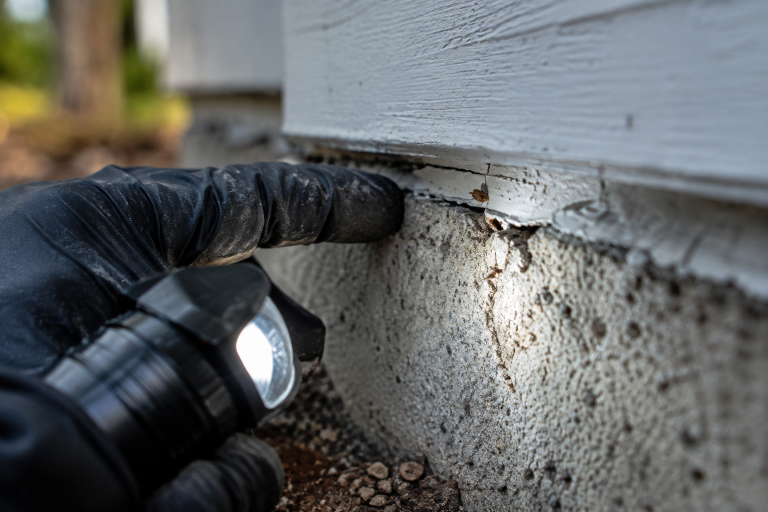
A brief monthly walk-around can reveal pest-friendly conditions before they become difficult to manage. Start outdoors, then work through the garage, attic, basement, crawl space, kitchen, bathrooms, and storage areas. Bring a flashlight and take photos of anything that may need follow-up.
Areas To Check
- Door frames, weatherstripping, and window screens
- Openings where pipes, utility lines, and cables enter the home
- Roof edges, vents, soffits, and attic access points
- Garages, sheds, cardboard storage, and rarely used rooms
- Basements, crawl spaces, utility closets, and areas below sinks
- Gutters, drains, bird baths, pots, and outdoor containers
Watch for droppings, gnaw marks, nests, shed insect skins, damaged food packages, holes in screens, or unusual odors. A single sign does not always confirm an infestation, but it is a useful reason to inspect more closely.
Remove Food, Water, And Shelter
Housekeeping is a core part of pest prevention because many common pests depend on accessible food and moisture. Federal guidance on reducing food, water, and hiding places recommends sealing food, managing garbage, fixing leaks, and eliminating standing water before turning to pesticide products.
Helpful Daily Habits
- Keep dry goods in sealed, pest-resistant containers.
- Clean crumbs, grease, and spills promptly.
- Empty indoor trash regularly and keep outdoor bin lids closed.
- Pick up pet food after meals when practical.
- Repair dripping faucets, leaking pipes, and appliance leaks.
- Keep firewood, yard debris, and stored boxes away from exterior walls.
Seal Common Pest Entry Points
Exclusion means blocking the routes pests use to get inside. Small insects can use narrow cracks, while mice and other animals may enter through gaps around doors, vents, pipes, or damaged building materials. Caulk, weatherstripping, door sweeps, fitted screens, and appropriate mesh can help when chosen for the specific opening.
Common Entry Points
- Gaps beneath exterior and garage doors
- Cracks around windows, siding, and foundation joints
- Openings around plumbing, wiring, and HVAC lines
- Damaged screens and unscreened vents
- Roof gaps near soffits, eaves, or chimneys
Do not block necessary ventilation or interfere with heating, cooling, electrical, or gas equipment. If an opening appears connected to a safety system, consult a qualified home-service professional before sealing it.
Build A Seasonal Pest Routine
Pest activity often changes with weather, rainfall, temperature, and household routines. Seasonal maintenance helps keep prevention manageable instead of turning it into a last-minute project.
- Winter: Check door gaps, warm utility areas, attics, and stored belongings.
- Spring: Repair screens, clear gutters, inspect for moisture, and trim new growth away from walls.
- Summer: Remove standing water, manage outdoor food waste, and check frequently used doors and windows.
- Fall: Inspect firewood, storage boxes, rooflines, and exterior cracks before cooler weather arrives.
Identify The Pest Before Taking Action
Not every insect is harmful, and the wrong treatment can waste money or lead to unnecessary exposure to pesticides. When safe, take a clear photo showing the pest and the location where it was found. Note whether it was active during the day or night, whether sightings are repeated, and whether there are signs of nesting or reproduction.
Accurate identification helps determine whether cleaning, exclusion, moisture control, trapping, monitoring, or a targeted treatment is the appropriate response. It is especially important to seek help when children, pets, older adults, or people with health concerns may be affected.
Use Pest Control Products With Care
For do-it-yourself treatment, read the entire label before buying or applying a product. Use only products intended for the pest and location involved, follow the stated directions, and keep products in their original containers. More products do not necessarily mean better control.
- Never mix products unless the label specifically permits it.
- Do not use outdoor products indoors.
- Keep food, dishes, toys, and pet supplies away from treatment areas.
- Store products out of reach of children and pets.
- Keep the label available for future reference.
Foggers and broad indoor spraying may miss the source of the issue. Whenever practical, begin with prevention and use the most targeted method that fits the identified pest problem.
Know When To Ask For Professional Help
Professional assistance may be the safer or more efficient option for repeated activity, structural damage, suspected termites, rodents in walls, bed bugs, large nests, or stinging insects near occupied areas. Ask what pest was identified, which conditions are supporting it, what non-chemical steps are recommended, and what follow-up monitoring is included. Before hiring, compare inspection details, safety instructions, treatment plans, follow-up policies, and applicable licensing requirements in your state. A clear plan should explain both the treatment and the prevention steps needed afterward.
A Simple Monthly Prevention Checklist
- Check door sweeps, screens, and visible exterior gaps.
- Look for leaks under sinks and near appliances.
- Inspect pantry items and pet food storage.
- Empty standing water from outdoor containers.
- Trim plants touching walls, windows, or rooflines.
- Move clutter away from damp or low-traffic areas.
- Record unusual signs with photos and dates.
A simple pest log can reveal patterns, such as activity after rain, during seasonal temperature changes, or near a particular room. Those observations make future inspections and professional consultations more useful.
Final Thoughts
A smarter pest prevention plan is built on consistent habits, not quick fixes. Inspect regularly, reduce food and moisture, seal potential entry points, identify pests carefully, and use targeted control only when appropriate. Small monthly actions can help protect the comfort, condition, and cleanliness of a home throughout the year.