Starting a GLP-1 medication can be an important step toward better health and weight management. These medications are popular because they can help control hunger, manage blood sugar levels, and support weight loss when prescribed by a healthcare provider.
However, knowing what to expect can make the process easier and more comfortable. From the first dose to potential side effects and lifestyle adjustments, understanding the basics can help you approach treatment with realistic expectations.
Table of Contents
- 1 What Are GLP-1 Medications?
- 2 Your Treatment May Start With a Low Dose
- 3 You May Notice Changes in Your Appetite
- 4 Gastrointestinal Side Effects Are Possible
- 5 Weight Loss May Take Time
- 6 Nutrition Still Matters
- 7 Staying Hydrated Is Important
- 8 Physical Activity Can Support Your Goals
- 9 Regular Follow-Up Is Important
- 10 Know When to Contact Your Healthcare Provider
- 11 Give Yourself Time to Adjust
- 12 Final Thoughts
What Are GLP-1 Medications?
GLP-1 medications work by acting similarly to a naturally occurring hormone called glucagon-like peptide-1.
Depending on the specific medication, GLP-1 treatment may slow the movement of food through the stomach, help you feel full longer, reduce hunger, and support healthier blood sugar levels. Some medications in this class are prescribed primarily for diabetes, while others are approved for chronic weight management.
Your healthcare provider can determine whether a GLP-1 medication is appropriate for you based on your health history, current medications, medical needs, and treatment goals.
Your Treatment May Start With a Low Dose
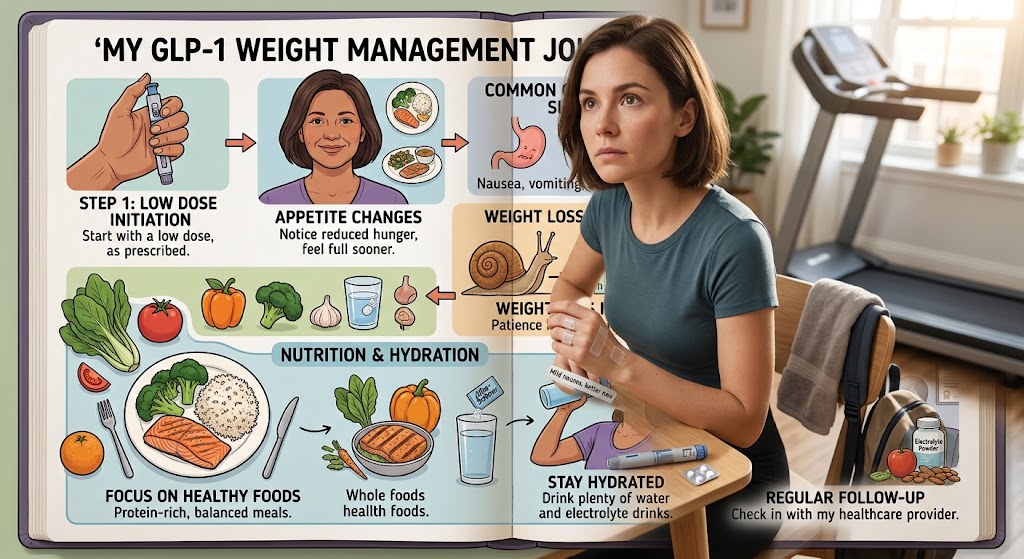
One of the most important things to understand is that the best shot for weight loss typically does not begin at the highest dose. Healthcare providers commonly start with a lower dose and gradually increase it when appropriate.
This gradual approach gives your body time to adjust to the medication and may help reduce gastrointestinal side effects. Your provider will determine when and whether to increase your dose based on your response and tolerance.
You May Notice Changes in Your Appetite
One of the changes many people notice after starting a GLP-1 medication is a difference in hunger and appetite. You may feel satisfied with smaller portions or find that you think about food less frequently.
These changes can make it easier to follow a balanced eating pattern without constantly feeling hungry. However, reduced appetite does not mean you should stop eating altogether. Your body still needs adequate nutrition, protein, fluids, vitamins, and minerals.
Pay attention to your body’s signals and focus on nutrient-rich foods. If your appetite decreases significantly or you have difficulty eating enough, discuss this with your healthcare provider.
Gastrointestinal Side Effects Are Possible
Digestive symptoms are among the most common concerns when beginning GLP-1 treatment. Some people may experience nausea, vomiting, diarrhea, constipation, bloating, abdominal discomfort, or indigestion.
These symptoms can be more noticeable when treatment begins or after a dose increase. For some people, they become less bothersome as the body adjusts.
Eating smaller meals, eating slowly, staying hydrated, and avoiding very large or heavy meals may help with some digestive discomfort. Your healthcare provider can also provide individualized recommendations based on your symptoms.
Weight Loss May Take Time
It is natural to hope for quick results when starting a medication for weight management. However, everyone’s response is different.
Some people notice changes in appetite relatively early, while visible weight changes may take longer. Weight can also fluctuate from week to week because of hydration, food intake, activity levels, and other factors.
Instead of focusing only on the number on the scale, consider other signs of progress. Changes in eating habits, energy, physical activity, measurements, and overall well-being may also be meaningful.
Nutrition Still Matters
Injections for weight loss are not a replacement for healthy eating. Because appetite may decrease, it becomes particularly important to make the food you do eat count.
A balanced eating pattern may include lean protein sources, vegetables, fruits, whole grains, healthy fats, and other nutrient-dense foods. Protein can be especially important during weight loss because maintaining adequate nutrition supports muscle health.
Your individual dietary needs may vary depending on your age, activity level, medical history, and treatment goals. A healthcare professional or qualified nutrition professional can help you develop an eating plan.
Staying Hydrated Is Important
Drinking enough fluids is another important part of your routine. Reduced food intake, vomiting, diarrhea, or simply forgetting to drink can increase the risk of dehydration.
Try to drink fluids consistently throughout the day rather than waiting until you are very thirsty. If you are experiencing ongoing vomiting or diarrhea, speak with your healthcare provider.
Your provider can give you more specific guidance based on your medication and overall health.
Physical Activity Can Support Your Goals
Medication can be one part of a broader approach to weight management. Regular physical activity can complement treatment and support strength, mobility, cardiovascular health, and overall wellness.
Your exercise routine should match your current fitness level and health needs. Your healthcare provider may suggest different activities based on your health and needs.
If you are new to exercise, starting gradually can be more sustainable than making major changes all at once.
Regular Follow-Up Is Important
Starting a GLP-1 medication does not mean you are on your own between prescriptions. Follow-up appointments allow your healthcare provider to evaluate how you are responding to treatment.
During these visits, your provider may discuss your weight, appetite, side effects, blood sugar levels when relevant, medication schedule, and overall progress. They can also determine whether your current treatment plan should remain the same or be adjusted.
Keep your provider informed about any other prescription medications, over-the-counter products, or supplements you take. This information can help them evaluate your treatment more safely.
Know When to Contact Your Healthcare Provider
Most side effects associated with GLP-1 medications are manageable, but certain symptoms require prompt medical attention. Severe or ongoing stomach pain, frequent vomiting, signs of dehydration, or other unusual symptoms should be taken seriously and reported to your healthcare provider.
Never change your dose, stop treatment, or combine medications without discussing the decision with a qualified healthcare professional.
Give Yourself Time to Adjust
Starting a GLP-1 medication is a process rather than an overnight transformation. Your body may need time to adjust, and your treatment plan may evolve as your healthcare provider learns how you respond to the medication.
Set realistic expectations and focus on sustainable habits rather than immediate results. Taking prescribed medication as directed, eating nutritious foods, staying active, drinking enough fluids, and attending follow-up appointments can all contribute to a more successful treatment experience.
Final Thoughts
Knowing what to expect when starting a GLP-1 medication can help you feel more prepared for the changes ahead. Appetite changes, digestive symptoms, gradual dose adjustments, and progressive weight changes can all be part of the experience.
Most importantly, GLP-1 treatment should be personalized to your health needs and monitored by a qualified healthcare professional. If you are considering this type of medication, talk with your provider about the potential benefits, risks, side effects, and whether it is appropriate for you. With the right guidance and realistic expectations, medication can become one component of a comprehensive approach to better health.