A great New York City food day is not about checking off the longest possible list of restaurants. It is about choosing a pace that lets you enjoy a neighborhood, eat well, and still have room for an unexpected bakery window, market stall, or late-afternoon coffee. For ideas when narrowing down your route, the Franki app can help you explore restaurant options across the city before committing to a full itinerary.
New York rewards a plan with structure, but not one that is packed to the minute. Subway delays, weather shifts, wait times, and changing appetites are all part of the experience. Build around one meal you genuinely care about, then let the rest of the day support it.
Table of Contents
Start With A Simple Plan
First, decide what kind of outing you want. A slow weekend brunch, a street-food-focused afternoon, a family meal, a date, and a late-night crawl all require different timing. Pick a loose start and finish time, identify your anchor meal, and leave one open slot for a spontaneous stop. The goal is to feel guided, not trapped by the schedule.
Choose One Main Area
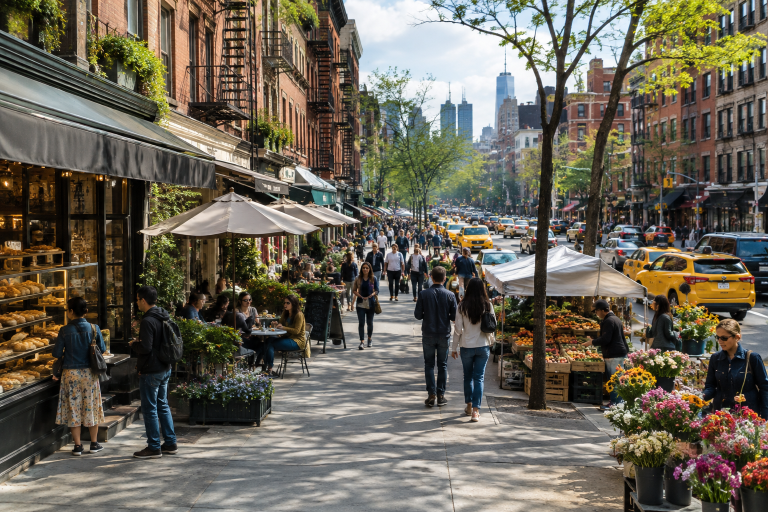
Crossing multiple boroughs can be worthwhile for a special destination, but it rarely creates the easiest food day. Staying in one broad area gives you more time to walk, browse, and adapt. Think in connected blocks rather than a citywide map. A Lower East Side route might move easily from coffee to lunch to dessert, while a Queens neighborhood outing can center on a single commercial corridor and nearby transit.
- Can everyone reach the starting point comfortably?
- Are there casual alternatives within a short walk?
- Is there something pleasant to do between meals?
- Will the area still feel active when you finish?
Build Around The Main Meal
Choose the meal that matters most, then protect it. If dinner is the priority, start with coffee and a pastry, enjoy a light afternoon snack, and avoid a huge late lunch. If brunch is the main event, make dinner casual and flexible. Reserve the anchor meal when reservations are available, especially for weekends, larger groups, and places with limited seating.
- Pick the meal that sets the tone.
- Confirm the reservation or walk-in policy.
- Add only one lighter food stop before or after it.
- Use a nearby park, bookstore, gallery, or neighborhood walk as a break.
- End near a convenient transit or your next destination.
Balance The Budget
A memorable day does not require every stop to be expensive. Set a total number before selecting restaurants, then decide where the splurge belongs. Remember that the final cost can rise through sales tax, gratuity, drinks, reservation deposits, and extra dishes ordered on impulse.
- Low-cost approach: A filling lunch, a shared snack, and one dessert.
- Mid-range approach: A café breakfast, a sit-down lunch, and a simple evening bite.
- Special-occasion approach: A light first meal, one planned dinner splurge, and a low-key final stop.
Sharing sides and desserts can add variety without turning every stop into a full meal. Check portion descriptions before ordering, particularly when a group has different appetites.
Mix Familiar Stops With Local Finds
Include one place that feels iconic to you, but leave room for smaller neighborhood restaurants, bakeries, and counters. A famous slice, bagel, or deli sandwich can be part of the day without becoming the entire route. Before you go, compare recent reviews with a restaurant’s current menu, posted hours, and reservation information. Those details can change quickly.
Plan For Weather And Seating
New York weather can change the comfort level of a walking route in a hurry. Keep an indoor backup for your main meal, wear layers in spring and fall, and avoid long outdoor waits during heavy rain or intense heat. The city has also made year-round outdoor dining a permanent part of New York City, but individual restaurants may still vary in their seating setup, coverage, and seasonal conditions.
- Confirm whether outdoor seats are covered or heated.
- Check walking time, not just distance.
- Keep one backup stop close to a subway station.
- Bring water for a long, warm-weather route.
Use Seasonal Dining Events
Seasonal prix fixe programs can be a useful reason to try a new neighborhood, particularly if you want a planned meal at a clear price point. For example, the Summer 2026 NYC Restaurant Week program included restaurants across all five boroughs. When future programs are announced, read the actual participating menu, check the offered meal periods, and build the rest of the day close by.
Avoid Common Planning Mistakes
- Do not schedule several heavy meals back-to-back.
- Do not assume a popular restaurant will have walk-in space.
- Do not rely on an old menu, old price, or old social post.
- Do not overlook dietary needs within a group.
- Do not put your final stop far from the way home.
- Do not choose every stop only because it is trending.
Sample Food Day Plans
Relaxed Weekend Plan
- Late breakfast or brunch.
- A neighborhood walk, market, or museum visit.
- A shared afternoon snack.
- A reserved dinner within the same area.
Budget-Friendly Plan
- Bakery or café breakfast.
- A filling lunch with shareable sides.
- A free walk through a park or local shopping street.
- One affordable evening treat.
Date-Day Plan
- A light coffee stop.
- A scenic walk with time to talk.
- One carefully chosen sit-down meal.
- Dessert or a drink nearby.
Common Questions
How Many Food Stops Should I Plan?
For most people, two main stops and one smaller snack are enough. Add another only if the group is sharing and you have left a generous time between meals.
Are Reservations Worth It?
Yes, especially for weekend dinners, larger groups, and restaurants that are central to your plan. Casual walk-ins can work well when you have two nearby backup choices.
What Is The Best Way To Save Money?
Choose lunch over dinner when it suits your schedule, share dishes, limit add-ons, use public transit, and make only one meal the splurge.
Final Takeaway
The best New York City food day balances intention with flexibility. Pick a neighborhood, reserve the meal that matters, budget for the full cost, and leave space for the small discoveries that make the city exciting. You do not need every famous stop. You need a route that gives you time to enjoy the one you are in.