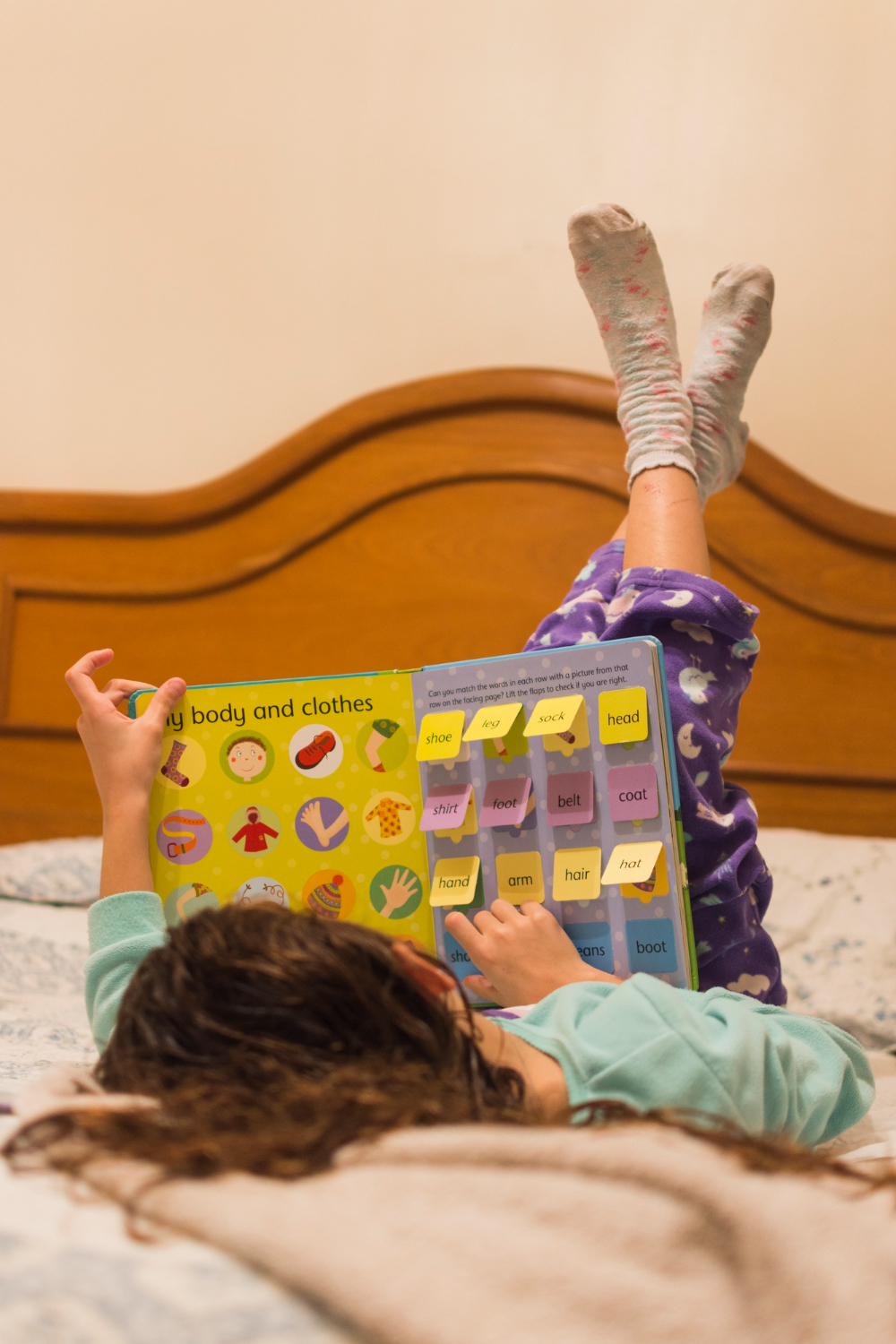
Children build a sense of safety mainly from routine and repetition, not from parents getting every decision right. A predictable pattern to the day, from mealtimes to bedtime to who’s picking them up from school, tells a child what to expect next, and that certainty does more for their wellbeing than a flawless parenting record ever could. This matters most during stressful periods, when a stable routine becomes one of the few fixed points in a child’s day.
Table of Contents
Why Unpredictability Creates Anxiety in Children
Young children have limited ability to reason through uncertainty, so when routines break down constantly or plans change without warning, they experience it as instability rather than simple inconvenience. A psychologist at Cleveland Clinic Children’s has explained that routines create connection and structure, allowing children to recognise what to expect next, and that without this, children are more likely to become disruptive or anxious. The effect tends to be strongest around transitions, such as starting school or a change in who’s caring for them day to day.
What Routine Actually Gives a Child
A consistent routine does more than fill a timetable, and its value becomes obvious once it breaks down and the benefits disappear. A predictable pattern gives a child several things at once:
- settled sleep and mood, because meals and bedtime happen at roughly the same time each day
- fewer daily conflicts, because expectations are clear rather than negotiated fresh each time
- a stable reference point during genuinely difficult periods, such as illness or a change in carer
None of this requires a rigid schedule followed to the minute. What matters is that the broad shape of the day stays recognisable often enough for a child to rely on it.
Where Perfection Gets in the Way
Parents chasing a flawless routine, the perfect meal, the ideal bedtime, the right response to every tantrum, often create more inconsistency than the imperfect version they’re trying to avoid. High standards are exhausting to maintain daily, and when a parent inevitably slips, guilt tends to follow, which can lead to overcorrecting one day and giving up the next. The psychologist Donald Winnicott described the gap between perfect and good enough as the space where a child’s resilience actually develops, since manageable imperfection teaches a child that mistakes are survivable.
Where Structure Comes From in Formal Care Settings
Professional and structured care settings are built almost entirely around this principle, precisely because the children they support have often experienced significant instability already. Fixed mealtimes, regular routines around school and consistent expectations around bedtime and screen time are standard practice, not an afterthought, because stability is treated as part of the actual support a child needs to recover and settle. Anyone curious how this looks in practice can read more about fostering, including how carers are trained to build predictable routines into daily life.
Getting every parenting decision right isn’t realistic, and children don’t need that from the adults around them. What they need is enough repetition and reliability to know what tomorrow will roughly look like, which matters far more than any single decision a parent agonises over today.