Anesthesia makes many surgeries, diagnostic procedures, and childbirth interventions possible, but it also requires close monitoring before, during, and after treatment. When a patient wakes up with an unexpected injury, breathing complication, nerve damage, awareness during surgery, or another serious concern, the experience can be frightening and confusing. Families seeking answers may speak with Atlanta medical malpractice attorneys after ensuring the patient’s health is protected and gathering reliable information.
Atlanta’s large network of hospitals, surgery centers, specialty practices, and teaching facilities gives patients access to extensive care, but it can also mean that multiple professionals participated in a procedure. The surgeon, anesthesiologist, certified registered nurse anesthetist, nurses, technicians, and recovery staff may each have records or observations that help explain the course of care. A careful review should focus on facts rather than assumptions.
Table of Contents
- 1 Start With the Health Emergency
- 2 Separate a Complication From a Possible Anesthesia Error
- 3 Build a Clear Timeline
- 4 Request and Organize Relevant Records
- 5 Create an Evidence and Expense Folder
- 6 Ask Focused Questions During Follow-Up Care
- 7 Understand the Financial and Practical Effects
- 8 Protect Privacy and Avoid Common Mistakes
- 9 When to Seek an Outside Review
- 10 Conclusion
Start With the Health Emergency
New or worsening symptoms require prompt medical attention. Call 911 or seek emergency care for trouble breathing, chest pain, sudden weakness, severe bleeding, confusion, fainting, seizure activity, blue or gray skin color, or severe and escalating pain. A patient who believes that anesthesia contributed to a problem should not delay treatment to preserve evidence or to confront a provider.
Follow-up care matters even when symptoms appear less urgent. A second medical opinion may be appropriate when a diagnosis is unclear, symptoms continue after discharge, or the recommended treatment changes substantially. Ask the new provider to document present symptoms, test results, treatment recommendations, and any work or activity restrictions.
Separate a Complication From a Possible Anesthesia Error
Medical procedures carry risks, and complications can occur even when clinicians use appropriate care. A poor result alone does not establish malpractice. In general, a malpractice claim requires evidence that a provider failed to meet the applicable professional standard of care and that the failure caused a compensable injury.
Possible anesthesia-related concerns can include an incorrect medication or dosage, failure to identify an allergy or dangerous drug interaction, inadequate oxygen monitoring, delayed response to changes in vital signs, improper airway management, poor positioning during surgery, or insufficient post-anesthesia observation. These concerns require a review of the complete record, often by qualified medical professionals, because a single conversation or discharge summary may not tell the full story.
Build a Clear Timeline
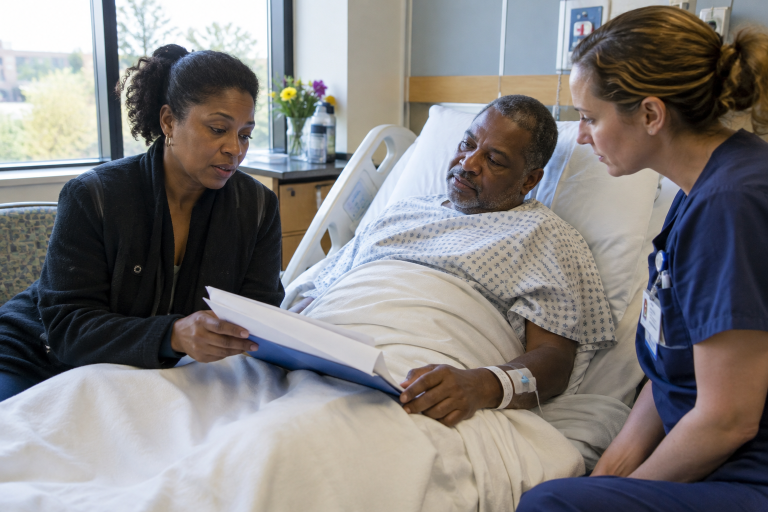
Memories can fade quickly after a stressful medical event. A simple written timeline can help a family communicate with doctors, insurers, patient advocates, and legal professionals.
- Record the date, time, location, and reason for the procedure.
- List preoperative symptoms, medications, allergies, and instructions received before anesthesia.
- Note who spoke with the patient or family before and after the procedure, along with what was said.
- Track symptoms in recovery, at home, and during later appointments.
- Include emergency visits, tests, new diagnoses, rehabilitation, missed work, and changes in daily functioning.
Request and Organize Relevant Records
Patients can request copies of records connected to their care. For an anesthesia concern, request more than the surgeon’s notes. Important materials may include the anesthesia preoperative evaluation, anesthesia record, medication administration record, operative report, nursing notes, vital-sign monitoring records, recovery-room documentation, laboratory results, imaging reports, discharge instructions, and itemized billing statements.
Save electronic files in a secure folder and keep printed copies where they can be found easily. Preserve original files and label working copies by date. Technical language can be difficult to interpret, so patients may ask a treating provider to explain unfamiliar terms without assuming that an explanation resolves every question.
Create an Evidence and Expense Folder
A single folder can reduce confusion when an injury creates medical, financial, and household challenges. Keep the following items together:
- Medical records, prescription histories, test results, and discharge paperwork.
- Photos of visible injuries, mobility devices, or treatment-related conditions, dated when possible.
- Receipts for prescriptions, therapy, transportation, home modifications, and medical equipment.
- Pay stubs, employer attendance records, disability paperwork, and documentation of reduced hours.
- Names of witnesses and copies of messages from providers, hospitals, or insurers.
Ask Focused Questions During Follow-Up Care
Questions to Bring to an Appointment
- What is the current diagnosis, and what may have caused these symptoms?
- Which tests or specialists could help clarify the condition?
- What treatment options, risks, and expected recovery steps should be considered?
- Which symptoms require an urgent call, emergency visit, or immediate follow-up?
- How might medications, driving, work, exercise, or caregiving responsibilities need to change?
Patient safety depends on communication among patients, families, and care teams. The CDC offers practical guidance on how patients and caregivers can participate in safer care, including tips for being a safe patient, such as speaking up about concerns and reporting changes in symptoms.
Understand the Financial and Practical Effects
The effects of a serious anesthesia injury can extend beyond the original procedure. Track follow-up appointments, rehabilitation, medications, transportation, childcare, home assistance, and missed income. Do not ignore medical bills simply because responsibility is uncertain. Instead, ask hospitals and insurers for clear explanations of charges, coverage decisions, payment options, and appeal procedures.
Protect Privacy and Avoid Common Mistakes
Use secure storage for medical and financial records, double-check email recipients before sending sensitive documents, and be cautious about posting details online. Public comments can lack context and may be misunderstood later. Private notes are most useful when they are factual, dated, and limited to what the writer saw, heard, or experienced.
Other common mistakes include waiting too long to address worsening symptoms, discarding medication containers or written instructions, relying only on memory, stopping treatment without medical guidance, or signing documents that are not understood. Keep following medically appropriate care while questions are being evaluated.
When to Seek an Outside Review
An outside review may be worthwhile after permanent injury, unexpected death, prolonged hospitalization, major neurological symptoms, repeated conflicting explanations, or an apparent delay in responding to an anesthesia-related emergency. The HHS Office of Inspector General explains that adverse events can involve patient harm connected to medical care, which is why a detailed record review is important when evaluating a serious outcome.
A legal consultation does not require filing a lawsuit. It can help a patient or family understand the records needed, the role of expert review, potential responsible parties, and applicable deadlines. Georgia deadlines and procedural requirements can vary based on the facts, so early individualized guidance can help preserve options.
Conclusion
Anesthesia-related injuries can leave Atlanta families facing urgent medical decisions, unexpected expenses, and difficult questions. A calm response can make the situation more manageable: obtain necessary care, document the timeline, preserve records, ask clear follow-up questions, and seek a qualified review when circumstances warrant it. The immediate goal is to protect the patient’s health while ensuring important information is not lost.