A low-maintenance yard starts with a design that reflects how you actually use your outdoor space, rather than simply a wish list of plants and features. In Ocala and throughout Central Florida, successful landscaping must account for intense sunshine, seasonal rainfall, sandy soil, proper drainage, and the need for comfortable, easy-to-maintain outdoor areas.
For property owners seeking a cohesive approach, landscape design from Landscaping Sod & Beyond brings together planting, sod installation, pavers, irrigation, lighting, drainage, and outdoor living features in a single site-specific plan. Based in Ocala, Landscaping Sod & Beyond serves Belleview, Lady Lake, The Villages, and surrounding Marion County communities, tailoring each design to the property’s soil conditions, sunlight, water flow, accessibility, and long-term maintenance needs.
Table of Contents
- 1 Define the Purpose of the Space
- 2 Study the Site Before Choosing Materials
- 3 Plan the Layout Around Daily Use
- 4 Choose Plants for Their Role
- 5 Manage Water, Drainage, and Irrigation
- 6 Select Materials That Age Well
- 7 Add Shade, Lighting, and Comfort
- 8 Avoid Common Planning Mistakes
- 9 Build the Project in Practical Phases
- 10 Know When to Ask for Local Help
- 11 Create a Simple Maintenance Plan
- 12 Conclusion
Define the Purpose of the Space
Before selecting sod, pavers, or shrubs, identify the two or three ways the property must work. It may need a patio for family meals, a safe pet area, a play zone, better curb appeal, a vegetable garden, or a quiet place for morning coffee. Keep active uses separate from restful areas when possible, and distinguish essential features from items that can wait.
Also plan for change. A flexible lawn edge, open patio zone, or simple path can be easier to adapt to later than a crowded design built around a single short-term need.
Study the Site Before Choosing Materials
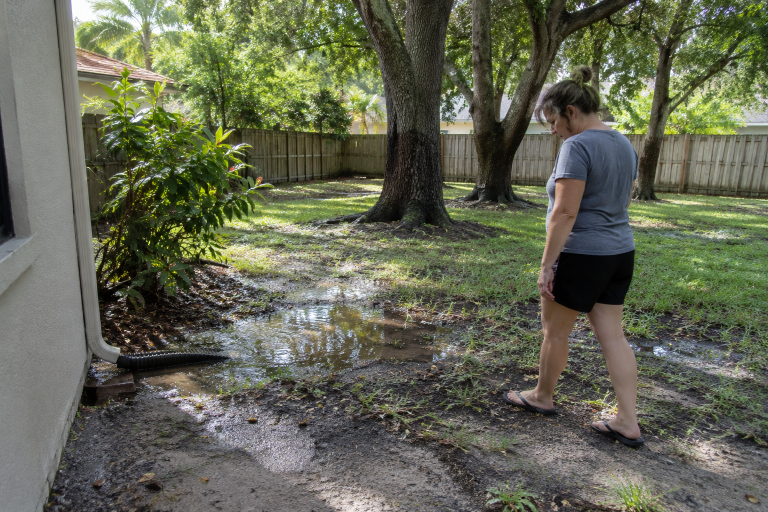
Walk the property in the morning, midday, and late afternoon. Note where the sun is strongest, where shade lasts, where water stands after rain, and which routes people naturally use. Check slopes, downspouts, compacted ground, mature roots, utility locations, gates, and the access needed for future maintenance.
Site conditions should guide the design. Covering a low area with sod or paving before addressing runoff can leave the underlying problem in place. Florida landscapes vary widely, and designing with Florida site conditions in mind helps homeowners match choices to shade, soil, moisture, and surrounding land features.
Plan the Layout Around Daily Use
A clear layout makes a yard feel larger and easier to maintain. Place the main seating area near the home when it will be used for meals or entertaining. Create direct walking routes, clearly define planting beds, and leave enough room to move around chairs, grills, gates, and equipment.
- Keep guests from having to cross planting beds to reach seating.
- Allow children and pets a visible, safe area to move.
- Leave access to irrigation components, drainage features, and service areas.
- Reserve open space for future additions rather than filling every corner.
Choose Plants for Their Role
Plants do more than add color. A tree can create shade, a shrub grouping can screen a view, ground cover can protect exposed soil, and flowering plants can provide seasonal interest. Give each planting area a purpose, then select plants that fit its light, moisture, mature size, and maintenance requirements.
Group plants with similar water and sun needs. This simplifies irrigation and avoids placing a moisture-loving plant beside one that performs best in drier soil. Leave enough spacing for mature growth so beds do not become crowded too quickly.
Manage Water, Drainage, and Irrigation
Water planning belongs near the beginning of the project. Observe where roof runoff goes, identify spots that remain wet after a storm, and ensure water is directed away from structures and high-use walking areas. Mulch and appropriate ground covers can also help shield bare soil from erosion and splash.
- Identify wet spots and runoff paths.
- Review downspout discharge and grading.
- Separate planting zones by water need.
- Check irrigation coverage before installing sod or new beds.
- Plan for raised beds, which can dry more quickly than in-ground areas.
Select Materials That Age Well
There is no single best hardscape material for every Ocala property. Choose based on use, budget, comfort in direct sun, drainage needs, repair options, and the style of the home. Main walking routes should have stable, even surfaces, while decorative materials can be reserved for lower-traffic areas.
- Use surfaces that are easy to clean and practical to repair.
- Consider how a material feels underfoot in sun and rain.
- Include drainage gaps, edges, or transitions where needed.
- Limit the number of unrelated finishes for a more cohesive appearance.
Add Shade, Lighting, and Comfort
Shade and lighting extend the hours during which an outdoor space can be enjoyed. Trees, umbrellas, pergolas, and covered seating can reduce direct exposure in gathering areas. Use low-glare lighting to make paths, steps, gates, and seating zones easier to navigate after dark. Keep cords protected, avoid shining fixtures into windows, and make sure lights do not create glare for neighbors.
Avoid Common Planning Mistakes
- Buying plants before evaluating sun, soil, and drainage.
- Ignoring low spots until after sod or hardscape is installed.
- Creating narrow beds that are difficult to reach and weed.
- Planting trees and shrubs without allowing for mature size.
- Using too many materials in a small area.
- Building features without access for repairs or maintenance.
- Designing only for one season instead of year-round use.
Build the Project in Practical Phases
A phased plan can make a substantial upgrade more manageable while preventing rework. Begin with the decisions that affect everything else: budget, layout, access, grading, drainage, and utilities. Then install major patios, paths, walls, or structures before adding irrigation, sod, planting, lighting, furniture, and decorative details.
Know When to Ask for Local Help
Professional input is particularly valuable for grading, drainage, irrigation, mature-tree work, large paver areas, pools, outdoor kitchens, and projects where multiple systems must work together. A site review can identify constraints before materials are purchased and construction begins.
Create a Simple Maintenance Plan
Low maintenance still requires attention. Inspect irrigation after major weather changes, keep walkways clear, prune damaged branches, refresh thin mulch, and repair uneven surfaces early. Review plant growth each season and thin or relocate crowded areas before they compete for light, water, and space.
Conclusion
A low-maintenance outdoor space in Ocala is built through practical decisions made in the right order. When the layout matches daily life, water has a clear path, materials suit the site, and every plant has a role, the landscape becomes easier to enjoy in every season and easier to care for over time.