
Raising a puppy in Loxahatchee, Florida, can be especially rewarding, whether your days involve a spacious yard, neighborhood walks, family activity, or quiet time at home. The goal is not to create a perfectly obedient puppy overnight. It is to build trust and everyday skills through patient repetition. Families looking for dog training in Loxahatchee can begin by turning ordinary moments into calm, clear learning opportunities.
A puppy learns all day long. Mealtime, opening the door, clipping on a leash, greeting visitors, and settling down after play all teach your dog what to expect. When the same household rules apply each day, puppies receive fewer mixed signals and have more chances to choose the behavior you want.
Table of Contents
- 1 Why Daily Habits Matter More Than Long Training Sessions
- 2 Start With a Calm Home Routine
- 3 Socialization Goes Beyond Meeting Other Dogs
- 4 Teach Attention, Manners, and Settling
- 5 Make Crate Training and Potty Training Feel Safe
- 6 Practice Gentle Handling Before It Is Urgent
- 7 Common Mistakes to Avoid
- 8 A Simple Seven-Day Practice Plan
- 9 When to Ask for Extra Help
Why Daily Habits Matter More Than Long Training Sessions
Brief practice sessions fit a puppy’s attention span and make training feel like part of life rather than a chore. Ask for a sit before setting down the food bowl, opening the front door, or tossing a toy. Rewarding that small moment of self-control teaches the puppy that calm choices lead to good things.
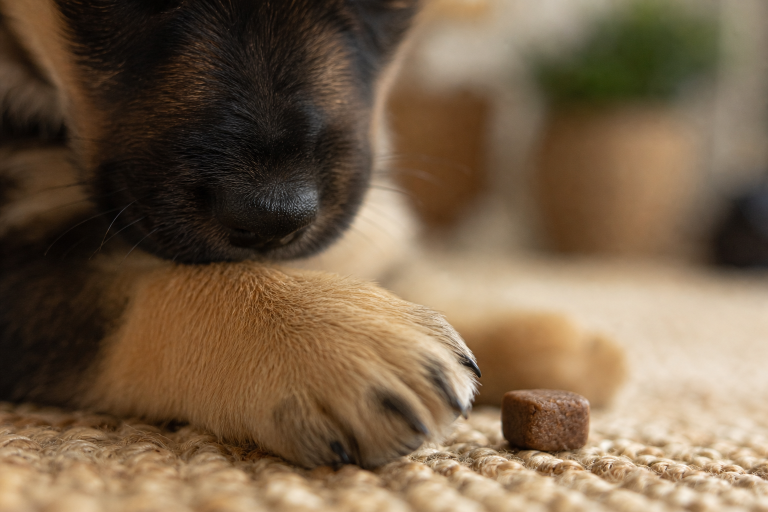
Use rewards your puppy genuinely enjoys, including tiny food treats, praise, a favorite toy, a game of tug, or permission to sniff. Practice one skill at a time in a low-distraction setting before expecting success around guests, wildlife, traffic, or other exciting activity.
Start With a Calm Home Routine
Predictable meals, naps, play periods, and bathroom breaks help a puppy settle into a new home. A routine also makes it easier to notice changes in appetite, energy, or bathroom habits that may need attention.
A Simple Young Puppy Schedule
- Morning: Potty break, breakfast, short play, and a brief training game.
- Late morning: Potty break, supervised exploration, then a quiet nap.
- Afternoon: Meal if appropriate for the puppy, potty break, play, handling practice, and rest.
- Evening: Calm family time, a final training review, and a last bathroom trip before bed.
Adjust this outline to reflect the puppy’s age, health, breed tendencies, household schedule, and the veterinarian’s advice. Young puppies need frequent chances to toilet, especially after waking, eating, drinking, playing, and leaving a crate.
Socialization Goes Beyond Meeting Other Dogs
Socialization is safe, gradual exposure to the world, not pressure to greet everyone. A puppy can learn by calmly watching people from a distance, walking on grass and smooth floors, hearing household sounds at a comfortable volume, taking short, secure car rides, and briefly visiting unfamiliar places. The planned, managed process of helping your puppy develop confidence in new situations should always take into account your veterinarian’s guidance on local health risks and vaccinations.
Let your puppy observe and retreat if needed. Freezing, hiding, a tucked posture, repeated yawning, backing away, or refusing treats can mean the experience has become too difficult. Create distance, reduce the intensity, and try again later. In Loxahatchee, this may mean keeping an eye on bicycles, horses, lawn equipment, delivery vehicles, or other dogs from a safe distance to keep the puppy comfortable.
Teach Attention, Manners, and Settling
A puppy’s name should mean, “Look at me,” not, “You are in trouble.” Say the name once in a cheerful voice, reward a head turn or eye contact, then repeat in another quiet room. Avoid repeating the name when the puppy is distracted. Strong name recognition supports recall and safer everyday communication.
Build beginner manners through small wins: sitting, waiting briefly, coming when called, and walking beside you for a few steps. Reward four paws on the floor before jumping starts. For settling, place a mat or bed near where you read, cook, or work. Quietly reward the puppy for lying down, chewing an appropriate item, or calmly watching the household. Rest is healthy, but a puppy still needs exercise, play, connection, and bathroom breaks.
Make Crate Training and Potty Training Feel Safe
A crate can become a useful resting and travel space when it is introduced gradually. Leave the door open, add comfortable bedding if the puppy uses it safely, place treats or meals near the entrance, and reward voluntary steps inside. Close the door only for short periods while the puppy is relaxed, then gradually increase duration. Short crate sessions that end before signs of stress appear help create a positive association.
Never use the crate as punishment or as a substitute for attention. For potty training, supervise closely and take the puppy to the chosen outdoor area on schedule. Praise and reward after the puppy finishes in the right place. If an accident happens indoors, clean it thoroughly without yelling or intimidation. Accidents indicate that supervision, timing, or access to the bathroom needs adjustment.
Practice Gentle Handling Before It Is Urgent
Brief, pleasant handling lessons prepare puppies for brushing, bathing, nail care, medication, and veterinary visits. Touch one paw, ear, collar, tail area, or the outside of the mouth for a second, offer a reward, and stop before discomfort appears. Repeat later, gradually increasing the duration only when the puppy stays relaxed. If the puppy pulls away, stiffens, or becomes worried, make the next repetition easier.
Common Mistakes to Avoid
- Teaching too many new behaviors at once.
- Training only when the puppy is overtired or overstimulated.
- Repeating cues without helping the puppy understand what to do.
- Forcing interactions with unfamiliar people, dogs, or objects.
- Expecting adult-level impulse control from a very young dog.
- Changing rules between family members or from one day to the next.
A Simple Seven-Day Practice Plan
- Day One: Reward name recognition in a quiet room.
- Day Two: Encourage calm crate entry with the door open.
- Day Three: Practice gentle paw, ear, and collar handling.
- Day Four: Reward four paws on the floor.
- Day Five: Practice a few easy leash steps in a secure area.
- Day Six: Introduce one soft new sound, surface, or setting.
- Day Seven: Review familiar skills, then finish with play or rest.
When to Ask for Extra Help
Seek qualified, humane, reward-based support early if your puppy shows persistent fear, severe distress, resource guarding, repeated biting, or ongoing house-soiling. Sudden changes in behavior also warrant a conversation with a veterinarian. With kind guidance, steady routines, and manageable lessons, Loxahatchee puppy owners can help their young dogs grow into confident companions ready to handle daily life calmly.